











Choose a cloud ERP platform by defining requirements first, building a cross-functional team and...


Customer Success Stories

Terence Sleap
Chief Financial Officer for iCARE

Empowering Transformation: iCARE’s Journey to Success with ERP for Private Equity’s Expert Support
As the Chief Financial Officer of iCARE, a healthcare organization recently transitioning from its position as a portfolio company of Pine Tree Private Equity, I have had the unique opportunity to oversee our organization’s significant growth and evolution. A critical factor in our successful transition

Will Duke
Former Owner of 3Sixty Integrated
Strategic Financial Guidance: Elevating 3Sixty Integrated’s Success with ERP for Private Equity
As the former owner of 3Sixty Integrated, a company founded at the forefront of providing comprehensive security solutions, navigating the financial intricacies of our industry was always a paramount concern. Our partnership with ERP for Private Equity marked a turning point, offering us not just financial consulting services,
Patrick Kuiper
Managing Director at Pine Tree Equity Partners
Seamlessly Navigating Complexity: A Testimonial on ERP for Private Equity’s Role in Our ERP Integration and Expansion Success
In the fast-paced and complex world of private equity, managing acquisitions efficiently while implementing an ERP system can be a formidable challenge. This was precisely the situation our group faced after acquiring three new entities during a critical phase of our ERP implementation process.
Secure a cloud ERP by writing down who owns each control, limiting access by job role, encrypting...

ERP implementation risks are factors that threaten the cost, schedule, or outcome of an ERP...
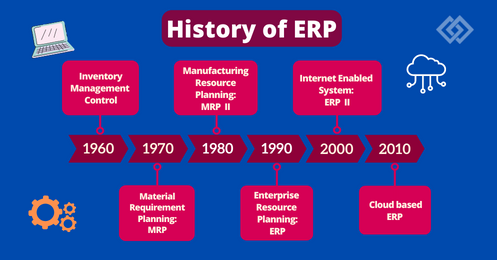
Cloud ERP is enterprise software that runs core finance and operations processes over the internet...

Working With a PE-Focused ERP Consultant
An ERP consultant for private equity does more than configure software. The role is to connect the investment thesis to the systems that will deliver it: making sure the portfolio company can report accurately, integrate acquisitions and scale without its finance team becoming a bottleneck.
Where we help across the deal lifecycle
Due diligence. We assess the target's financial systems, data quality and reporting capability, and highlight the risks and costs that will matter after close.
The first 100 days. We define the systems roadmap, standardize the chart of accounts and put core reporting in place so operating partners have visibility early.
Implementation and integration. We select and implement the right ERP, migrate data, connect key applications and train users, then fold in add-on acquisitions using the same playbook.
Exit readiness. We make sure financials are clean, consistent and well documented so due diligence moves quickly and the equity story is supported by the numbers.
How to evaluate an ERP consultant
- Do they understand private equity reporting, value creation plans and timelines?
- Can they show a structured, repeatable methodology rather than a custom project every time?
- Do they combine technical ERP skills with finance and accounting expertise?
- Will the same team support you after go-live?
For a fuller checklist, read seven critical questions for vetting your ERP consultant or our definition of an ERP consultant.
Frequently Asked Questions
Do you only work on Acumatica? We are an Acumatica Gold Partner and most of our implementations use Acumatica, while our advisory and selection work helps you compare options objectively.
Can you provide interim finance leadership? Yes. Our CFOs and financial experts can provide interim or ongoing support alongside the ERP project.
How do we start? Book a free consultation to discuss your portfolio company, timeline and priorities.
What an ERP Consulting Engagement Looks Like
Discovery. We interview finance, operations and sponsor stakeholders, review current systems and reports, and document requirements and priorities.
Roadmap. We turn findings into a practical roadmap: which processes and systems change, in what order, with what budget and timeline, and how success will be measured.
Delivery. We lead or support selection, implementation, data migration, integration and training, keeping the project aligned with the value creation plan.
Ongoing advisory. After go-live we remain available for reporting improvements, add-on acquisitions, audits and exit preparation.
Signs You Need an ERP Consultant
- Reporting to the PE sponsor is late, manual or inconsistent between periods.
- Recent acquisitions are still running on separate systems.
- Month-end close takes too long and depends on a few key people.
- An ERP project has stalled, overrun its budget or failed to deliver the expected benefits.
- An exit is on the horizon and the financial data is not ready for scrutiny.
The Value of Combining ERP and Finance Expertise
Many ERP projects fail not because of the software, but because the finance design behind it is weak: a chart of accounts that cannot support consolidated reporting, missing approval controls or reports that do not match what investors need. Our consultants bring both ERP implementation experience and hands-on accounting knowledge, so the system is designed around how the business is measured and managed, and the reporting is right from the first close.
Deliverables You Can Expect
- A current-state assessment of systems, data, reporting and finance team capacity.
- A prioritized roadmap with budget, timeline and measurable outcomes.
- A standardized chart of accounts and reporting design suitable for consolidation.
- A platform recommendation or implementation plan, depending on where you are in the journey.
- Configured and tested ERP processes, migrated data and trained users.
- Post-go-live support, dashboards and a playbook for future add-on acquisitions.
Why Speed Matters in Private Equity
Every month a portfolio company runs on manual reporting is a month of limited visibility for the sponsor and extra effort for the finance team. A focused, structured ERP engagement shortens that period, gives operating partners reliable numbers sooner and frees management to concentrate on the value creation plan.
Frequently Asked Questions
What is the difference between an ERP consultant and an ERP vendor? The vendor builds and licenses the software. A consultant helps you choose, implement and get value from it, aligning the system with your processes, reporting and goals.
When should we bring in a consultant? Ideally before the platform is chosen, so requirements, entity structure and reporting needs shape the decision. Consultants are also valuable when a project has stalled or an exit is approaching.
How do you work with our internal team? We work alongside finance, operations and IT, transferring knowledge throughout so your team owns the system after go-live.
Can you support several portfolio companies? Yes. Our repeatable approach is designed for rolling out consistent systems and reporting across a portfolio.
Typical Challenges We Solve
- Portfolio companies running on entry-level accounting software that cannot support growth or consolidation.
- Acquired businesses still operating separate systems months after closing.
- ERP projects that have stalled or failed to deliver expected benefits.
- Manual, spreadsheet-based reporting to sponsors, lenders and boards.
- Finance teams stretched thin by month-end close, audits and due diligence requests.
Each of these problems has a practical solution, and most can be addressed within a focused, well-planned engagement. Book a free consultation to discuss yours.