According to Bain & Company, 60% of post-acquisition value creation plans are delayed by...
Accelerate growth across portfolio companies with expert ERP implementation services designed for complex, multi-entity organizations. Our certified specialists deliver structured ERP implementation support, proven ERP implementation consultancy, and scalable ERP rollout management solutions for global businesses powered by Acumatica.
Acumatica Certified Partner
Go-Live in 60-90 Days
Built for Multi-Entity PE Portfolios
.svg "ERP Implementation Services For Private Firms & Equity & Portfolio Companies")











Private equity firms move fast. After an acquisition, operating partners expect immediate financial visibility, rapid integration, and systems that support value creation. Yet many ERP implementations fall short because legacy systems and rushed rollouts can’t keep up with the complexity of multi-entity portfolios.
Every bolt-on acquisition brings its own systems and data structures. Without deliberate post-acquisition integration, portfolio companies accumulate incompatible technology that makes consolidated reporting impossible and complicates exit.
70% of ERP implementations go over budget or timeline - the stakes are even higher when your investment hold period is only 3-5 years.
|
Private Equity Firms |
PE-Backed Portfolio Companies |
Mid-Market Businesses |
|
Portfolio-wide visibility & consolidated reporting |
Post-acquisition ERP stand-up in 60-90 days |
Replace legacy ERP without disrupting operations |
|
Standardized COA across entities |
Carve-out & TSA transition support |
Unlimited-user growth without licensing pain |
|
EBITDA tracking & KPI dashboards |
Multi-entity intercompany transaction management |
Exit-ready financial reporting & audit trails |
|
M&A integration playbook |
Change management for acquired teams |
Scalable cloud platform for multi-location rollouts |
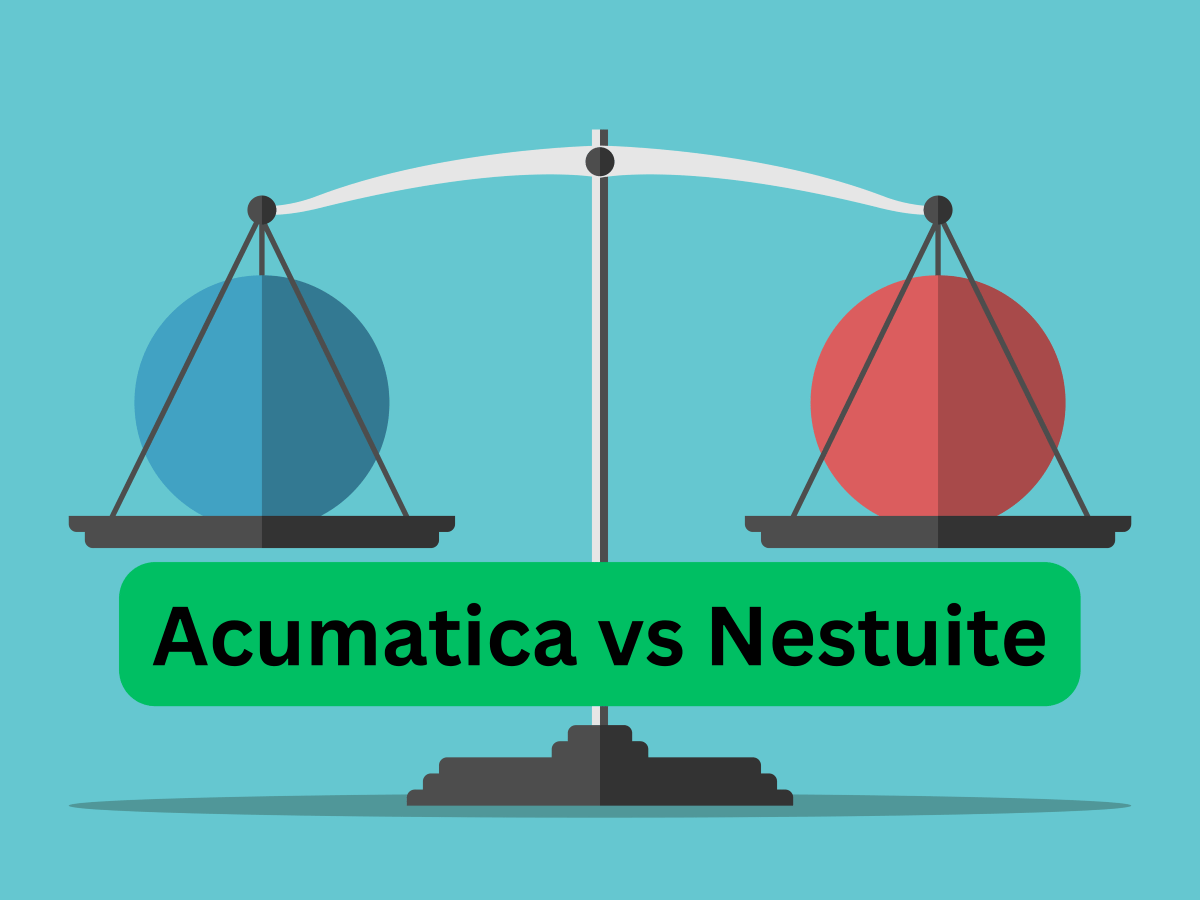
Unlike traditional ERP platforms from vendors such as SAP or NetSuite, Acumatica uses consumption-based pricing rather than per-user licenses. This allows portfolio companies to scale teams after acquisition without incurring steep licensing costs that slow operational growth.
Acumatica’s cloud-native platform enables rapid deployment across multiple entities and geographies. Private equity firms can stand up ERP systems quickly after acquisition without relying on out-dated on-premise infrastructure.
Business processes often evolve during a PE hold period as companies optimize operations and pursue growth strategies. Low-code configurability allows organizations to adapt workflows and reporting without expensive redevelopment projects.
Acumatica integrates seamlessly with leading business tools such as Salesforce, ADP, and Microsoft Power BI. This connectivity ensures ERP systems work within the broader private equity technology stack.
Built-in multi-entity functionality allows private equity firms to manage multiple portfolio companies from a single platform. Consolidated reporting and automated intercompany transactions simplify financial management across complex portfolios.
Real-time dashboards and analytics provide operating partners with immediate insight into financial performance and operational KPIs. This visibility supports faster decision-making and more effective portfolio management.
Clean financial records and transparent audit trails help ensure that portfolio companies are always prepared for buyer due diligence. Accurate reporting strengthens credibility during exit negotiations.
Acumatica delivers the flexibility, scalability, and financial transparency private equity firms need to accelerate value creation across their portfolio companies.
For private equity business expanding through acquisitions, the transition from QuickBooks to Acumatica ERP has proved transformative for consolidating and scaling their portfolio firms. The platform’s versatility and multi-entity administration make it easier to consolidate financials and confidently integrate new acquisitions.
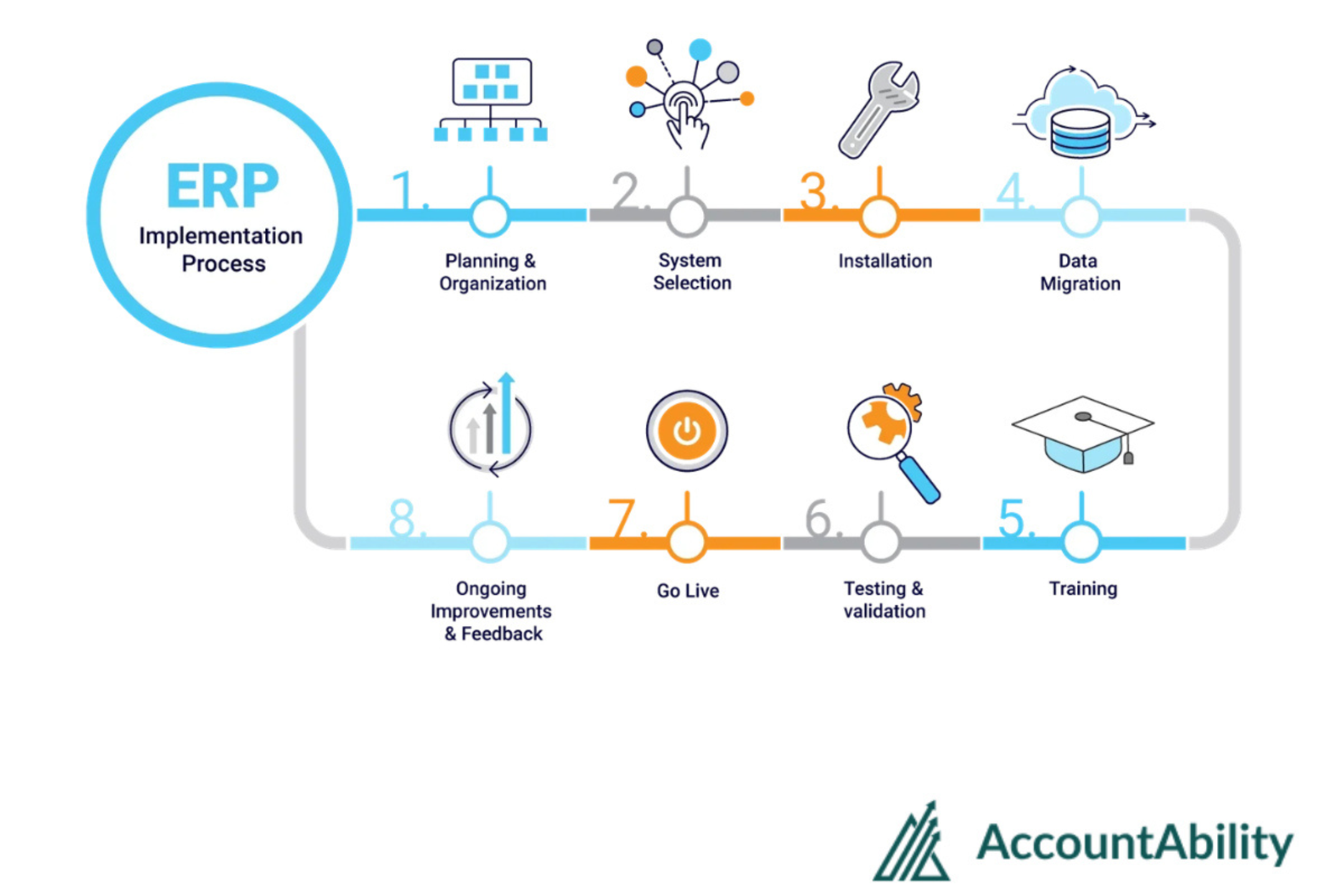
Evaluate operational risks, system gaps, and data inconsistencies thoroughly before starting an ERP project, ensuring your ERP implementation services begin with full visibility and measurable objectives.
Align Acumatica modules with your portfolio strategy and operational needs, creating a robust business case that maximizes ROI and supports strategic decisions through professional ERP implementation consultancy.
Standardize charts of accounts, intercompany workflows, and consolidated reporting across multiple entities, enabling scalable ERP implementation in service industry organizations and improved portfolio visibility.
Deploy Day-1-ready systems for newly acquired companies, enabling seamless financial and operational continuity, accelerating integration.
Connect Acumatica seamlessly with CRM, finance, and analytics systems, using secure APIs to enable real-time data flow and provide actionable insights for global operations.
Drive adoption, operational efficiency, and employee competency by implementing structured training programs and change management, ensuring teams realize full value from the system.
Choosing an ERP implementation partner in a private equity environment is an investment decision not just an IT one. Here's what sets us apart:
Dedicated PE Implementation Team: You get specialists who have worked inside PE-backed environments not a generalist bench. Every consultant we deploy understands the financial and operational dynamics of private equity and that shows in every decision we make.
.jpg?width=1020&height=680&name=Why%20Private%20Equity%20Firms%20Choose%20Us%20Over%20General%20ERP%20Consultants%20(1).jpg "Why Private Equity Firms Choose Us Over General ERP Consultants (1)")
We begin by aligning ERP strategy with your value creation plan, reporting structure, and hold period timeline. This ensures the implementation supports EBITDA growth, portfolio visibility, and exit readiness from day one.
Our vendor-agnostic advisory approach helps you select the right ERP platform based on multi-entity complexity, consolidation needs, and scalability requirements — not software partnerships or incentives.
Before migration begins, we audit, cleanse, and map financial and operational data to ensure integrity. Clean data is critical for accurate portfolio company reporting and due diligence confidence.
We configure workflows, financial controls, and reporting frameworks aligned with private equity requirements — including multi-entity structures, consolidated dashboards, and investor-level reporting.
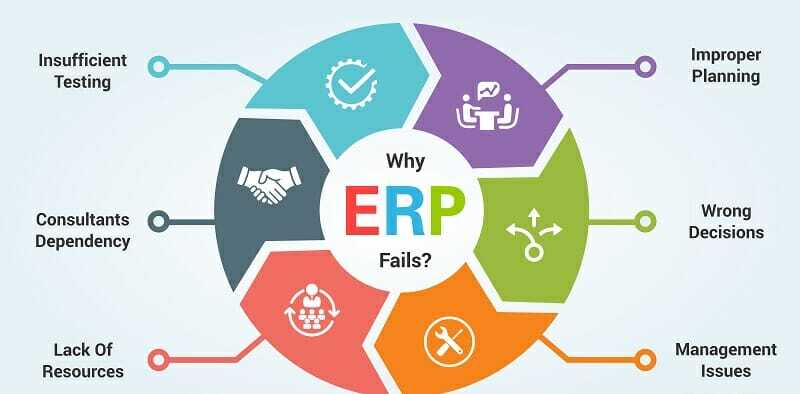
Through structured system testing and user acceptance validation, we eliminate ERP implementation challenges before go-live. Stability, accuracy, and governance are non-negotiable.
During launch, our team provides hands-on stabilization support to ensure finance and operations teams transition smoothly with minimal disruption to performance.
After deployment, we refine reporting, automation, and system controls in line with evolving portfolio strategies — ensuring the ERP environment continues to support value creation milestones.

In the fast-paced and complex world of private equity, managing acquisitions efficiently while implementing an ERP system can be a formidable challenge. This was precisely the situation our group faced after acquiring three new entities during a critical phase of our ERP implementation process. It was during this crucial juncture
As the former owner of 3Sixty Integrated, a company founded at the forefront of providing comprehensive security solutions, navigating the financial intricacies of our industry was always a paramount concern. Our partnership with AccountAbility marked a turning point, offering us not just financial consulting services, but a roadmap to success.
As the Chief Financial Officer of iCARE, a healthcare organization recently transitioning from its position as a portfolio company of Pine Tree Private Equity, I have had the unique opportunity to oversee our organization’s significant growth and evolution. A critical factor in our successful transition was our partnership with AccountAbility,
Enterprise Resource Planning (ERP) software brings your critical business functions—finance, HR, inventory, CRM—into a unified platform. Whether you’re navigating erp system implementation for litigation, seeking the best ERP for law firms, or improving portfolio company performance, a successful enterprise resource planning implementation enables streamlined operations, faster decisions, and scalable systems.
As a boutique erp implementation consulting firm, AccountAbility helps growing organizations adopt industry-tailored ERP solutions with confidence.
ERP implementation is the process of deploying and configuring an enterprise resource planning system into a business's operational and financial infrastructure. For private equity, it matters because a portfolio company's ERP environment directly impacts financial close cycles, reporting accuracy, and exit valuation. A well-implemented ERP system is not just an operational tool, it's a value creation asset that supports every stage of the investment lifecycle.
For most PE-backed portfolio companies, a standard implementation takes between 3 and 9 months. Post-merger integrations and multi-entity rollouts may extend beyond that depending on scope and complexity. Our methodology is specifically designed to compress timelines without compromising quality ensuring every go-live decision respects your hold period and value creation window.
ERP implementation costs typically range from $75,000 to $500,000+ depending on the platform, scope, and level of customization required. The more relevant question for private equity is ROI a properly implemented ERP system delivers measurable returns through faster financial closes, reduced operational costs, and stronger exit valuations. We provide transparent, fixed-fee engagements with no budget surprises.
Most projects take between 60 and 120 days. We begin with a thorough review of your current systems, then plan a phased rollout with training to minimize disruption.
Multi-entity rollouts require a fundamentally different approach than single-company implementations. We establish a standardized ERP framework unified chart of accounts, consistent reporting structures, and shared workflows deployable across each portfolio company while accommodating individual business requirements. This creates the consolidated reporting infrastructure operating partners need without sacrificing operational flexibility.
There is no single platform that fits every PE-backed business. The right ERP depends on your portfolio company's size, industry, complexity, and exit timeline. NetSuite leads for multi-entity management and scalability. Sage Intacct excels for mid-market consolidation needs. Microsoft Dynamics 365 suits enterprise-scale operations. Acumatica works well for acquisition-driven growth strategies. We guide you through selection objectively with no vendor bias.
A well-implemented ERP improves EBITDA through operational efficiency gains, reduced manual processing costs, and better working capital management. At exit, clean data, standardized reporting, and audit-ready financials accelerate due diligence, build buyer confidence, and support premium valuation multiples. Buyers pay more for businesses they can understand quickly and a well-configured ERP makes that possible.
When a bolt-on acquisition closes, the acquired company typically brings its own ERP environment and data structures. Our post-merger integration service consolidates these environments systematically migrating clean data, standardizing chart of accounts, and unifying reporting structures. The goal is a single, unified ERP environment that reflects the combined business as quickly and cleanly as possible.
Our approach combines rigorous UAT testing, phased rollout planning, comprehensive user training, and a dedicated hypercare support window. Every go-live is preceded by full data validation and stakeholder sign-off ensuring the business transitions onto the new system with confidence, not operational disruption.
Yes and this is precisely what makes our practice different. Every engagement is scoped around your investment timeline. We work backwards from your hold period constraints to deliver a fully operational ERP environment within the time your investment requires — maximizing the return on your ERP investment within your specific value creation window.