
 ERP Fundamentals
ERP Implementation
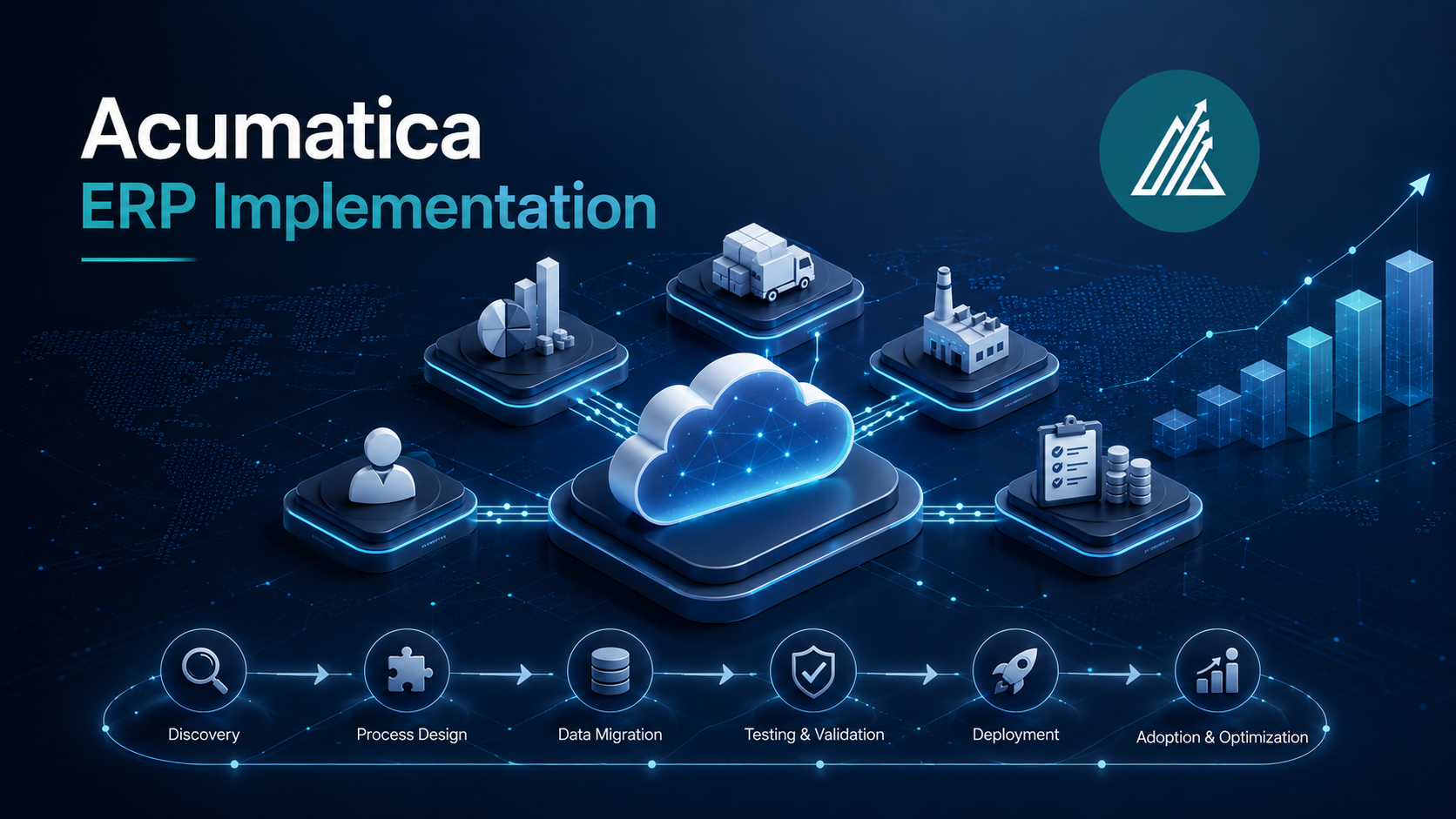
ERP implementation is the structured process of planning, configuring, testing, deploying, and adopting an Enterprise Resource Planning system within an organization. A successful implementation involves much more than installing software—it requires aligning people, processes, and technology to achieve business objectives.
Why It Matters
ERP implementations affect nearly every department within an organization.
When managed effectively, implementation can:
- Improve operational efficiency
- Standardize business processes
- Increase reporting accuracy
- Reduce manual work
- Improve collaboration
- Accelerate decision-making
Poorly managed implementations often result in delays, budget overruns, and low user adoption.
Private Equity Perspective
Private equity firms often implement ERP systems to accelerate value creation across portfolio companies.
Key objectives include:
- Standardized reporting
- Faster financial consolidation
- Operational scalability
- Acquisition integration
- Improved executive visibility
Successful implementations support both operational improvements and long-term exit strategies.
Common Challenges
- Undefined project scope
- Poor data quality
- Lack of executive sponsorship
- Insufficient user training
- Over-customization
- Weak change management
Best Practices
- Establish clear project governance.
- Document current business processes.
- Clean data before migration.
- Involve end users throughout the project.
- Measure success after implementation.
AccountAbility Insight
An ERP implementation is not an IT project—it is a business transformation initiative. The organizations that achieve the greatest success are those where executive leadership stays actively engaged throughout the project. When leadership defines clear business goals and communicates the "why" behind the implementation, user adoption improves, resistance decreases, and long-term ROI increases.
Key Takeaway
ERP implementation is the structured process of planning, configuring, testing, deploying, and adopting an Enterprise Resource Planning system within an organization. A successful implementation involves much…
How AccountAbility Can Help
Our implementation approach focuses on aligning ERP technology with your operational goals while minimizing disruption and maximizing long-term return on investment.
Related Terms




About the ERP Knowledge Center
The AccountAbility ERP Knowledge Center explains the terms and concepts that matter most to private equity firms and PE-backed companies. Each article covers the definition, why it matters, the private equity perspective, common challenges and best practices, written by consultants who implement ERP and run finance processes every day.
Putting ERP Implementation Into Practice
Understanding ERP Implementation is the first step. Applying it well in a PE-backed company means agreeing clear ownership in the finance team, documenting the process in your ERP, measuring results consistently across every entity and revisiting the approach after each acquisition. Our consultants help portfolio companies turn concepts like this into standard, repeatable processes that support reporting, controls and growth.
Ready to Talk?
Schedule a complimentary ERP Strategy Session with one of our experienced consultants.
Book a Strategy Session →